What's The Average Lifespan Of Car Tyres?
Most drivers don't think much about their tyres until something goes wrong — a slow puncture, a blowout on the highway or a mechanic pointing at the tread and shaking their head. The truth is, tyre wear is one of the more predictable aspects of vehicle ownership, and understanding what affects longevity can save you money, keep you safer and help you avoid being caught off guard. So how long do car tyres last? The honest answer is: it depends. But there are some clear patterns, especially under Australian driving conditions, that are worth knowing.
What the General Guidelines Say
As a general rule, most passenger tyres are designed to last somewhere between 40,000 and 80,000 kilometres. Some premium tyres from reputable manufacturers are engineered for even longer service life, while budget options may wear faster. In terms of years, many tyre manufacturers and motoring bodies recommend replacing tyres every five to ten years regardless of tread depth, simply because rubber degrades over time even when a vehicle isn't being driven heavily.
That said, these are starting points rather than guarantees. Real-world tyre lifespan depends on a combination of factors — some within your control, some not — and Australian conditions add their own layer of complexity to the equation.
How Australian Conditions Affect Tyre Wear
Australia's climate is harder on tyres than many drivers realise. Heat accelerates rubber degradation, and regions that experience prolonged high temperatures — including much of inland and coastal Australia — can shorten tyre life noticeably compared to cooler climates. UV exposure is another factor. Ozone and UV radiation break down the compounds in tyre rubber over time, causing cracking and hardening that isn't always visible on the surface. A tyre sitting in direct sun for years can become structurally compromised even if it still has adequate tread depth.
Road surfaces also vary considerably. Rough rural roads, gravel tracks and highway driving each place different demands on tyres, and vehicles that regularly switch between surfaces — common for regional drivers — tend to experience more varied wear patterns.
The Role of Driving Habits
How you drive has a direct and measurable impact on how long your tyres last. Aggressive acceleration, hard braking and fast cornering all generate friction that wears the tread down faster. Consistently driving at highway speeds also increases heat build-up in the tyre, which contributes to wear over time.
Habits that extend tyre life include:
- Smooth, progressive acceleration and braking
- Maintaining appropriate speeds for road conditions
- Avoiding kerbs and potholes where possible
- Not overloading the vehicle beyond its rated capacity
How Load and Towing Affect Longevity
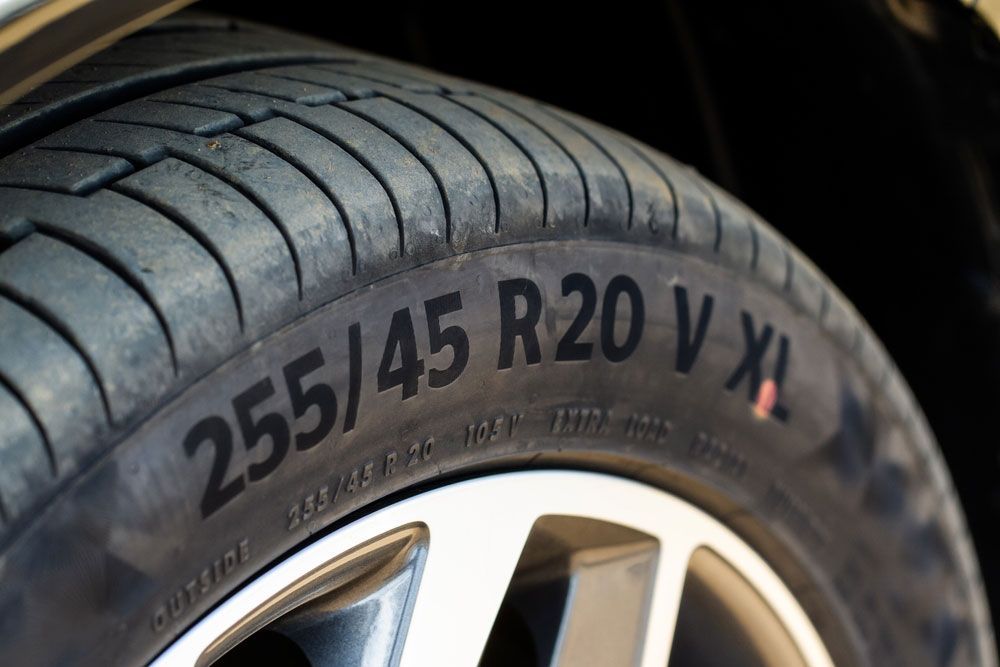
Every tyre has a load rating — the maximum weight it's designed to carry safely. Exceeding this, even occasionally, puts significant stress on the tyre's structure and accelerates wear. For drivers who regularly tow trailers, caravans or boats, this is a particularly important consideration. 4WD owners and tradies who carry heavy loads in the tray are also at higher risk of premature tyre wear if the vehicle isn't appropriately set up. A GVM upgrade or a tyre upgrade to a higher load rating can make a meaningful difference, both for safety and tyre longevity.
Signs that load may be affecting your tyres include:
- Uneven wear across the tread width
- Bulging on the tyre sidewall
- Tyres running noticeably hotter than usual after a drive
- Increased fuel consumption without an obvious cause
Why Wheel Alignment Matters More Than You'd Think
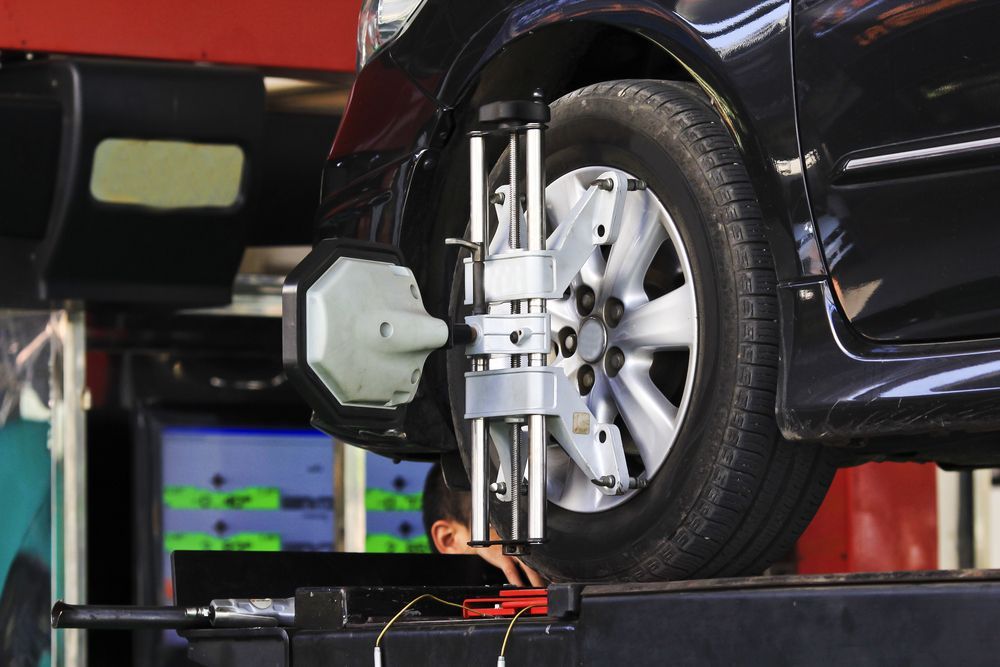
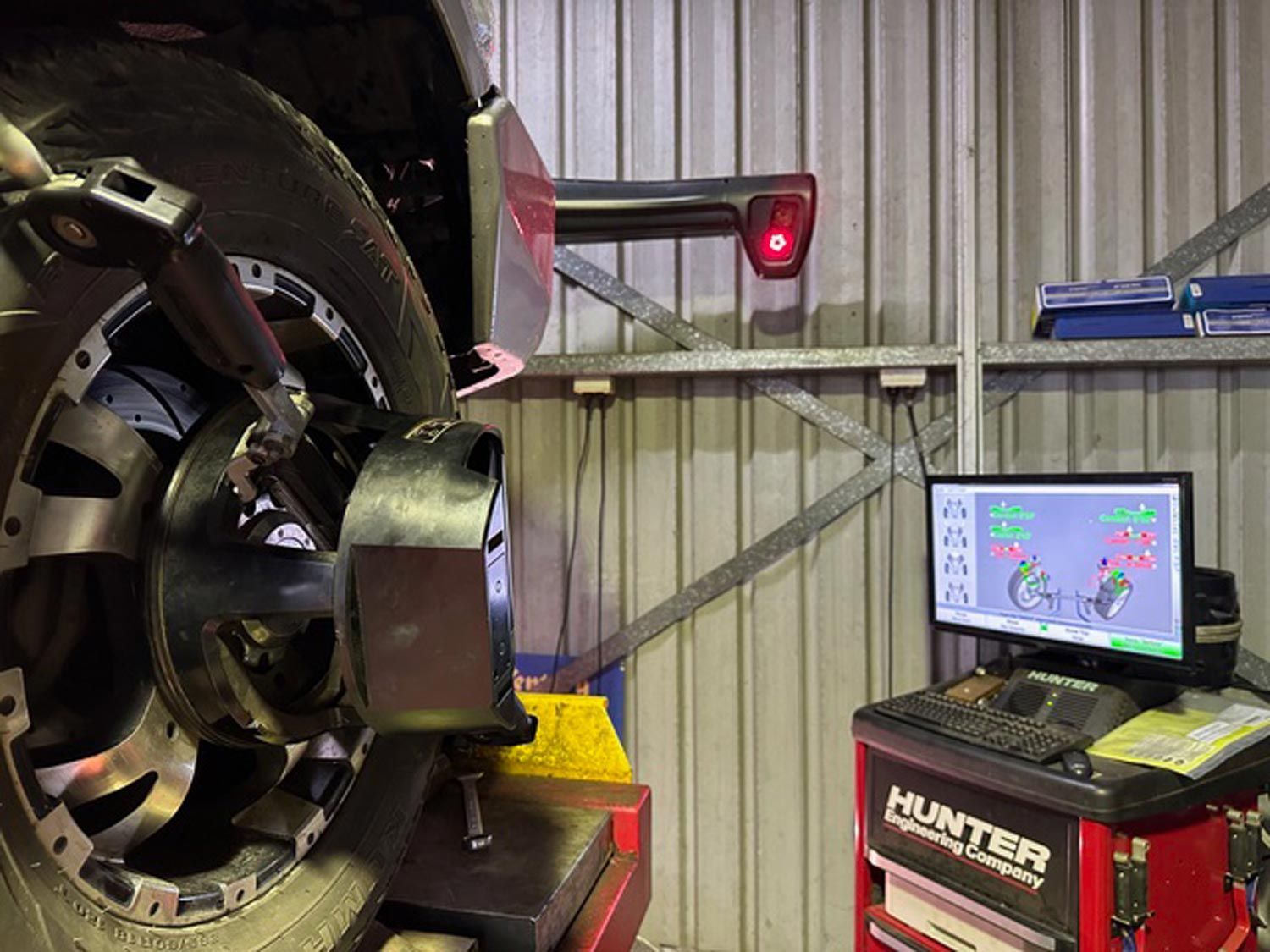
Poor wheel alignment is one of the most common and most preventable causes of premature tyre wear. When wheels are out of alignment, tyres don't make even contact with the road — certain edges or sections of the tread bear more load than they should, wearing down faster while the rest of the tyre looks fine.
The result is often tyres that need replacing well before they should, simply because the vehicle's geometry was slightly off. Alignment can be knocked out by something as routine as hitting a pothole or a kerb, which is why it's worth checking periodically rather than waiting for obvious symptoms.
Signs your alignment may be off include:
- The vehicle pulling to one side while driving straight
- Uneven or feathered wear on the tyre edges
- The steering wheel sitting off-centre when driving straight
- Increased tyre noise on smooth roads
The Impact of Tyre Pressure on Wear
Running tyres at incorrect pressure is another straightforward way to shorten their life. Under-inflated tyres flex more than they should, generating excess heat and wearing the outer edges of the tread faster. Over-inflated tyres make less contact with the road, wearing the centre of the tread more quickly and reducing grip in the process.
Tyre pressure also changes with temperature, so what's correct in winter may need adjusting by summer — particularly relevant in areas where temperature swings between seasons can be significant. Checking pressure monthly and before long trips is a simple habit that pays off over the life of a set of tyres.
How Servicing History Plays a Role
A vehicle that's been regularly serviced tends to be kinder on its tyres. Properly functioning brakes, suspension components in good condition and a well-maintained drivetrain all contribute to tyres wearing more evenly and predictably. Conversely, a vehicle with worn suspension, a dragging brake or an underperforming shock absorber can destroy a set of tyres in a fraction of the expected time.
Tyre rotation is another servicing task that's easy to overlook but makes a real difference. Front tyres typically wear faster than rear tyres on most vehicles, and rotating them at regular intervals — usually every 10,000 kilometres — evens out the wear and extends the life of the full set.
Regular servicing that supports tyre longevity includes:
- Wheel alignment checks
- Tyre rotation at recommended intervals
- Suspension and shock absorber inspections
- Brake system checks
Why Regular Tyre Inspections Are Worth It
Many tyre issues develop gradually and don't announce themselves until they've become a safety risk. Slow internal damage from a hard impact, sidewall cracking from UV exposure or uneven wear from misalignment can all be present for months before a driver notices anything unusual.
Having your tyres professionally inspected takes very little time but can catch problems early — before a minor issue becomes a dangerous one or an expensive replacement that could have been avoided. For anyone sourcing tyres Grafton mechanics recommend, pairing a new set with a professional inspection is always time well spent. At a minimum, tyres should be inspected every six months or whenever a vehicle goes in for a service. For vehicles that cover high kilometres or operate in demanding conditions, more frequent checks are worth the effort.
What a tyre inspection typically covers:
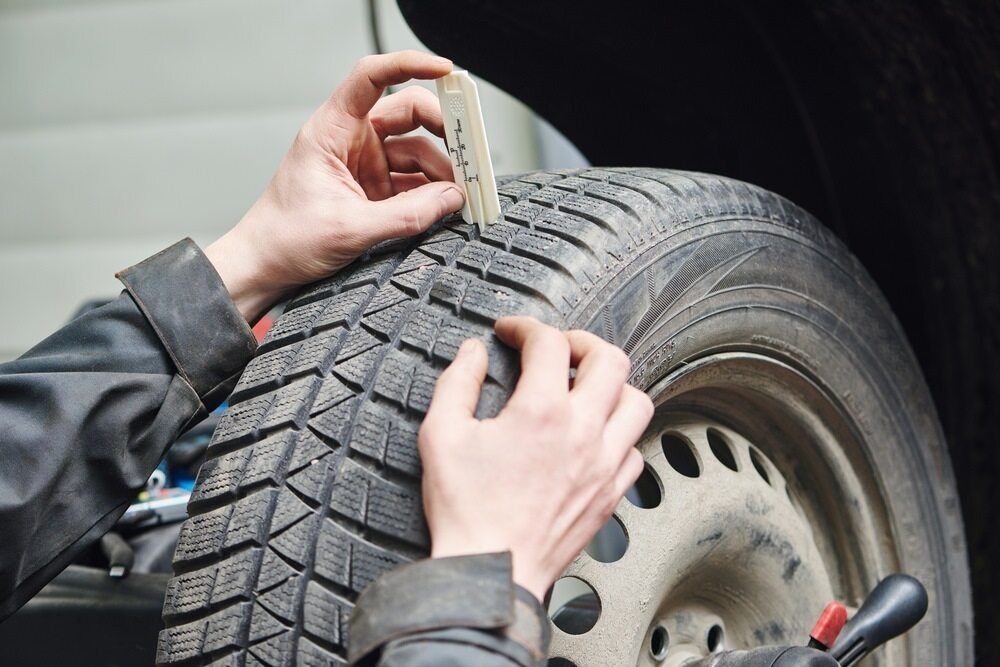
- Tread depth across the full width of each tyre
- Sidewall condition and cracking
- Signs of uneven wear patterns
- Tyre age and date of manufacture
- Inflation pressure check
Book a Tyre Check in Grafton Today
At Al's Mechanical & 4WD Grafton Repairs, we work with drivers across the Clarence Valley every day, and tyre wear is one of the most common issues we see — often caught just in time, sometimes not. Our region's road conditions, heat and the high proportion of vehicles used for towing or off-road work all add up to tyres being put under more stress than many drivers realise.
Whether you need new tyres, a wheel alignment, a rotation or just a professional set of eyes on what you've got, our team is here to help. Visit us at 19 Clarence St, Grafton, call (02) 6642 4335 or head to our website to book your next tyre inspection.