How Often Does Your Car Really Need Servicing In Grafton? (And What Your Tyres Are Telling You)
There's a particular kind of dread that sets in when a service reminder sticker appears on the windscreen, especially if the car has barely left the driveway since the last one. Plenty of Grafton drivers find themselves doing the same mental maths: the odometer says one thing, the calendar says another, and neither seems to agree with what the workshop is telling them.
The honest answer to how often should you service your car isn't as simple as the sticker suggests, and understanding why makes a real difference to what you spend on repairs, and eventually tyres, down the track.
The Quick Answer: Every 6 Months or 10,000 km — Whichever Comes First
For most passenger vehicles in Australia, the standard recommendation is a service every 6 months or 10,000 km, whichever milestone arrives first. This is the baseline used across most manufacturer logbooks and is a reasonable default for anyone trying to work out car service intervals Australia-wide.
The part that trips people up is the "whichever comes first" clause. It's not an either/or choice where you pick the more convenient option. It's a rule that locks in the earlier trigger, every time.
- A car driven 15,000 km in 6 months is due on distance, not time.
- A car driven 3,000 km in 6 months is still due on time, not distance.
- Both scenarios call for the same service, for different reasons.
This is why two neighbours in Grafton, one commuting daily to South Grafton and the other barely using the car outside weekend errands, can both find themselves booking a service in the same month despite wildly different odometer readings.
Do I Still Need a Service If I've Barely Driven the Car?
Yes, and this is genuinely one of the more common questions we hear. It feels counterintuitive to book a service for a car that's spent most of its time parked, but engine oil doesn't sit still just because the car does.
Oil is a chemical product. From the moment it's poured in, it begins to oxidise, absorb condensation and break down, regardless of whether the engine has covered 500 km or 5,000. A car that's driven rarely also tends to do a lot of short trips, which means the engine rarely reaches full operating temperature long enough to burn off moisture that builds up in the sump. Over months, that moisture contributes to internal corrosion and sludge, quietly, in a car that looks fine from the outside.
- Seals and hoses can dry out and crack from age alone.
- Fuel can degrade in the tank if it sits for extended periods.
- Batteries lose charge faster in cars that aren't driven regularly, especially over a Clarence Valley summer.
So a retiree doing 4,000 km a year around Grafton isn't exempt from a 6-monthly service. If anything, that car needs the calendar-based check more than the distance-based one.
What Counts as "Severe" Driving Conditions Around Grafton and the Clarence Valley?
Most logbooks include a shorter "severe conditions" schedule, and a fair number of Clarence Valley vehicles qualify without the owner realising it. Manufacturers define severe conditions fairly broadly, and several of them describe daily life in this region rather than an unusual edge case.
- Regular towing, such as hauling a trailer or boat to Yamba or Iluka.
- Driving on unsealed or corrugated roads, common on Clarence Valley backroads.
- Frequent short trips or stop-start town driving, where the engine rarely warms up fully.
- Dusty conditions, which accelerate wear on air filters and cabin filters.
- Extended exposure to heat and humidity, typical of a Northern Rivers summer.
- Driving on flood-affected or patched road surfaces, which puts extra strain on suspension and steering components.
A tradie running gravel roads out to a job site, or a farmer covering unsealed paddocks and access tracks, is realistically on a schedule that comes up sooner than the standard interval suggests. If more than one or two of these apply regularly, it's worth mentioning to your mechanic, since it may shift the recommended interval down from 10,000 km to something closer to 5,000 or 7,500 km.
What Actually Happens If You Delay a Service?
A missed service rarely causes an immediate, dramatic failure. The more common outcome is a slow accumulation of smaller issues that would have been caught early, and cost less to fix, had the service gone ahead on schedule.
- Degraded oil loses its ability to lubricate and cool properly, increasing wear on internal engine components.
- Minor fluid leaks or worn hoses can go unnoticed until they fail on the road.
- Air and cabin filters clog further, reducing engine efficiency and air conditioning performance.
- Small issues with brakes, steering or suspension can develop into safety concerns.
- Tyre wear patterns and alignment problems go unassessed, often getting worse the longer they're left.
There's also a financial angle worth naming honestly. Service due but low kilometres situations are sometimes deferred because the car "doesn't feel like it needs it", but the components affected by time, such as oil condition, rubber seals, and battery health, don't care how far the car has travelled. Delaying often means a bigger bill later rather than a smaller one now.
Logbook Service vs Full Service vs Interim Check — Which Do You Actually Need?
These terms get used loosely, and it helps to know what each one actually covers before booking.
- Logbook service: Follows the manufacturer's specific schedule for your make and model, covering the exact checks, parts and fluids required at that particular interval to keep the service history complete. A logbook service Grafton drivers book with an independent workshop still satisfies warranty requirements, provided it uses correct parts and follows the manufacturer's specifications.
- Full service: A comprehensive check covering engine oil and filter, brakes, suspension, steering, fluid levels, belts, hoses and a broader inspection of the vehicle's overall condition.
- Interim service: A lighter check, generally recommended between full services for vehicles doing higher kilometres or facing severe conditions, focused on oil, filters and a safety inspection rather than the full scope.
Which one applies depends on where you sit in the service cycle and how the vehicle is used. A car under new-car warranty generally needs to stick to the logbook schedule precisely, while an older vehicle might benefit more from a full service tailored to its actual condition rather than a generic checklist.
Why Your Tyres Are the Best Clue That a Service Is Overdue
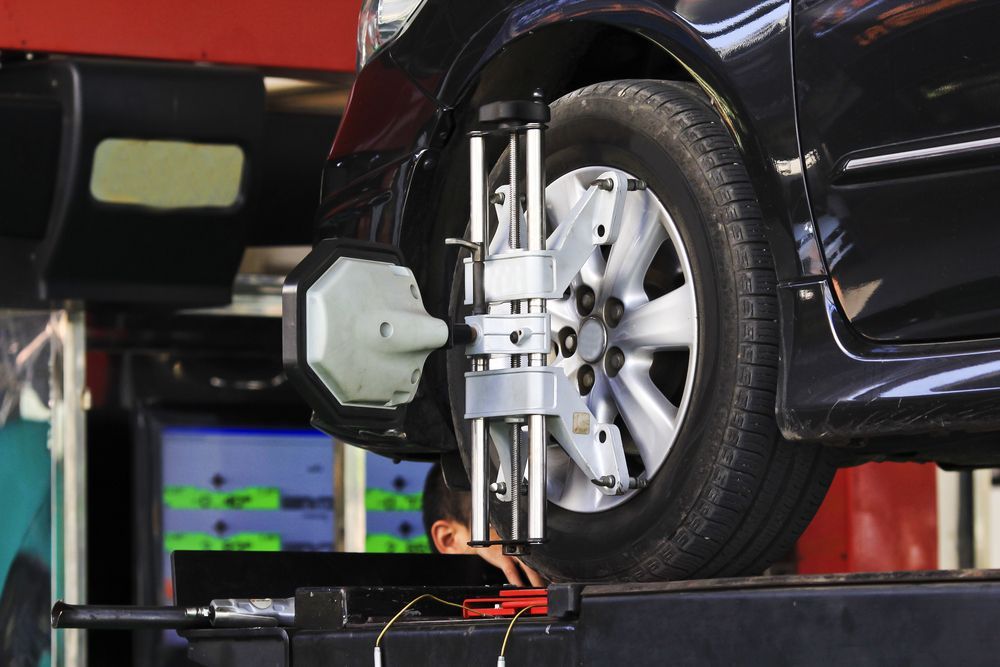
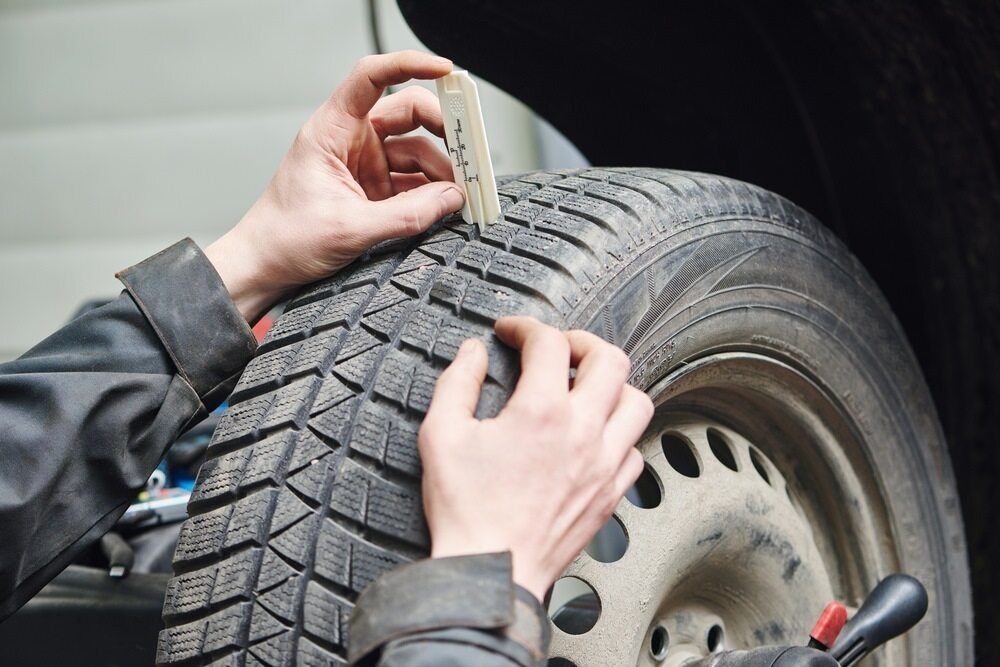
A scheduled service is one of the few times a vehicle gets a proper, structured look at its tyres, not just a glance in the rear-view mirror. That includes tread depth measured against the legal minimum, tyre pressures checked and corrected, and a visual check for uneven wear patterns across each tyre.
- Tread depth is compared against the 1.5 mm legal minimum required in NSW.
- Pressures are checked and adjusted, since incorrect pressure accelerates uneven wear.
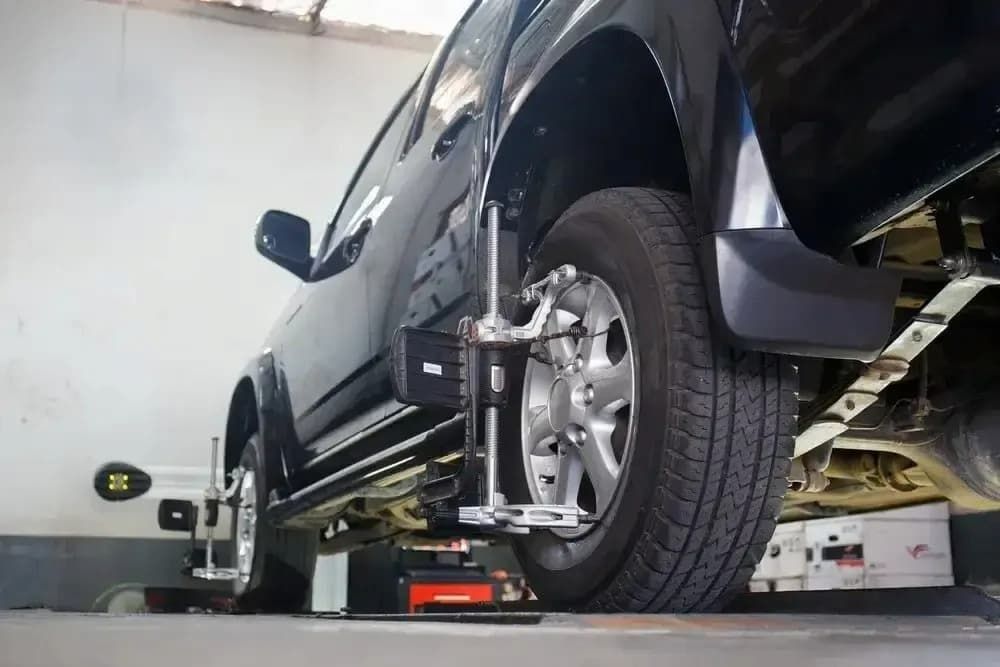
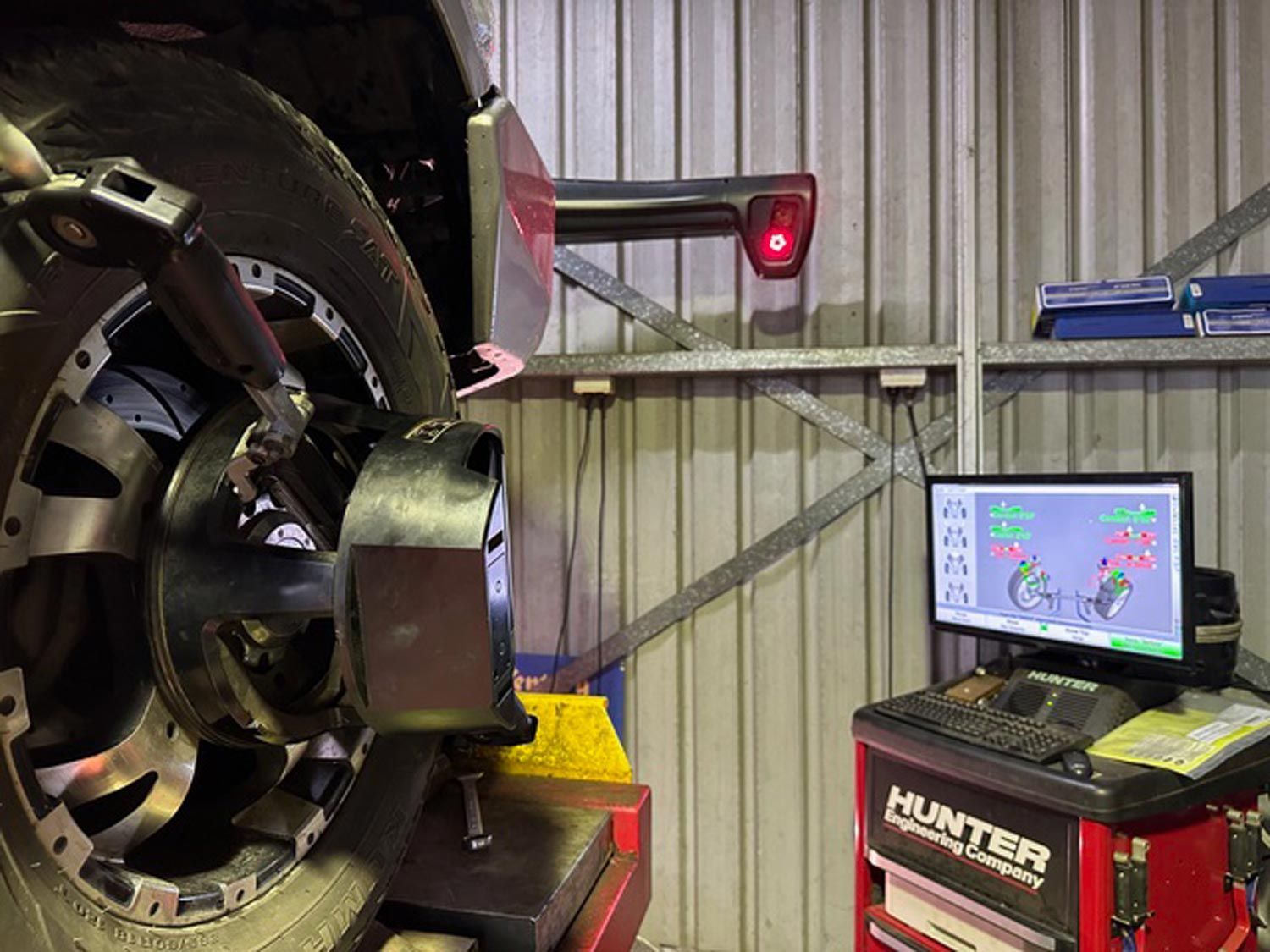
- Wear patterns are inspected for signs pointing to alignment or suspension issues.
- Rotation is carried out where needed to even out wear across the set.
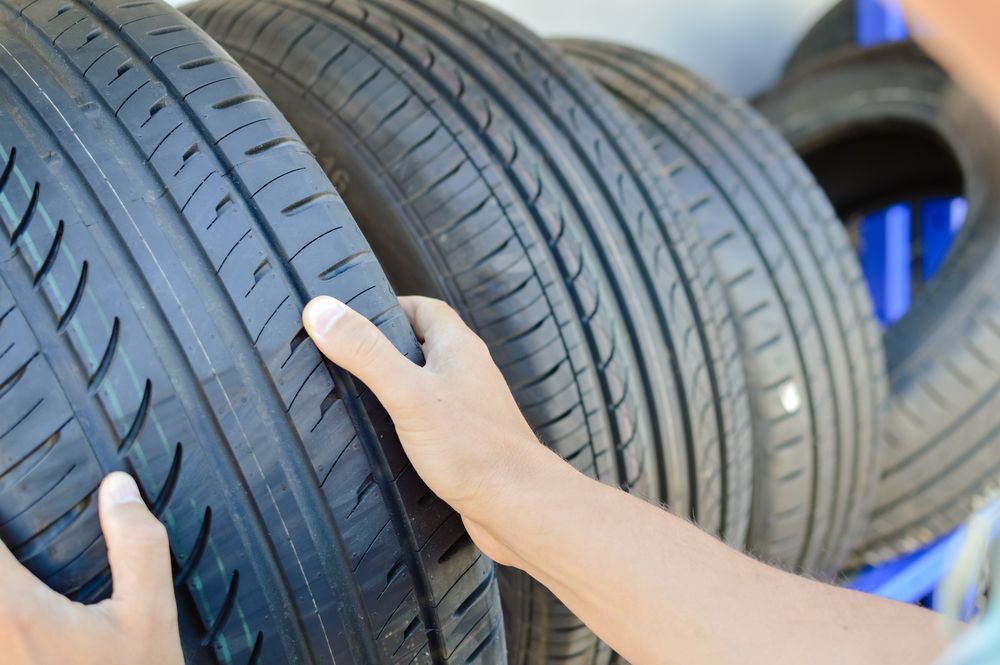
Feathering on one shoulder is a classic sign, and uneven tyre wear almost always points to an alignment or suspension issue the service would have caught. Rotation is usually done as part of a scheduled service, and it's worth knowing how often tyres should be rotated so you get the full life out of a set. Regular servicing is one of the biggest factors in the average lifespan of car tyres, well ahead of the brand on the sidewall.
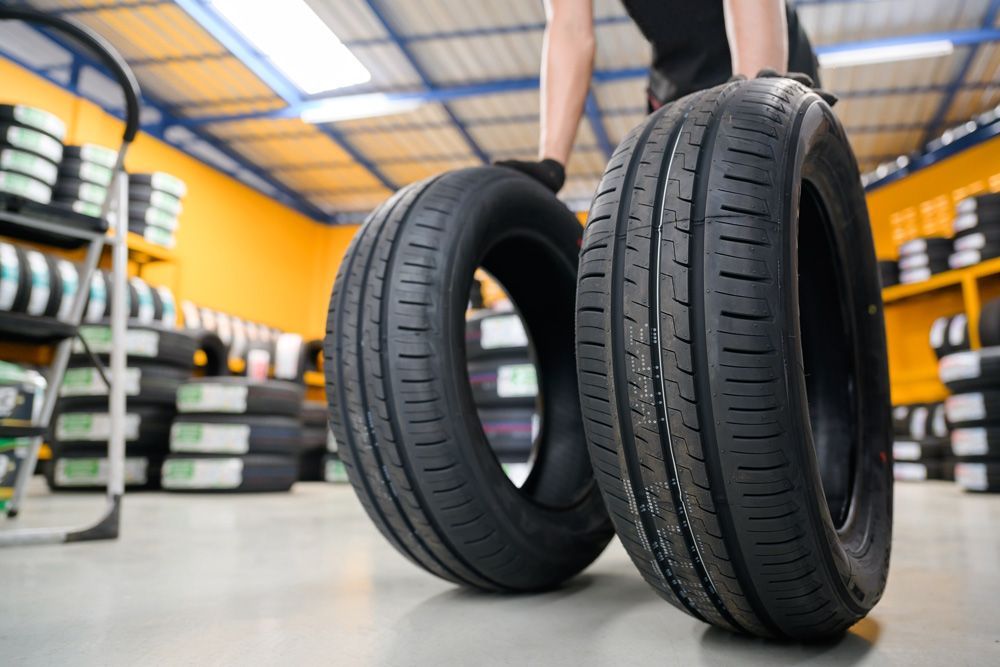
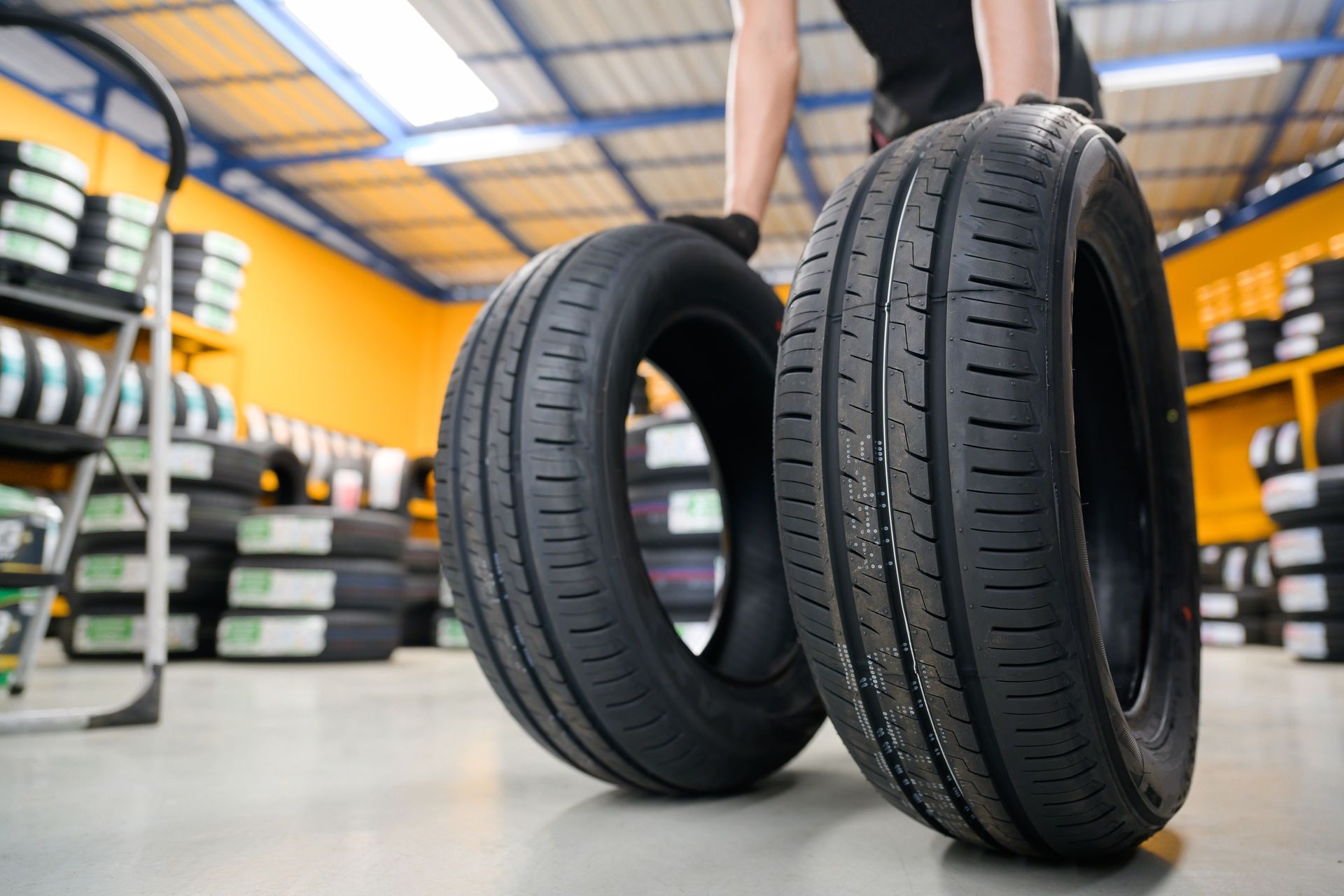
The financial logic is straightforward. A misalignment caught at a routine service is a comparatively small fix. The same misalignment left unchecked for another 10,000 km can scrub out a tyre on one edge well before its time, turning a minor adjustment into a full tyre replacement. If that inspection shows the tread is close to the limit, our team can talk you through replacement tyres in Grafton and fit them the same visit.
Getting Your Next Service Sorted
We at Al's Mechanical & 4WD Grafton Repairs work with vehicles across Grafton, South Grafton and the wider Clarence Valley, from daily commuters doing short town trips to utes and 4WDs regularly on unsealed roads and towing routes. If you're unsure whether your car falls due on time or kilometres, or whether your driving counts as severe conditions under the manufacturer's schedule, give us a call and we can check your logbook history against how the vehicle is actually being used.
Booking ahead of a Grafton to Yamba trip or before the wetter months set in is a straightforward way to catch anything worth addressing before it becomes a bigger job. Working out how often should you service your car is easier with someone who knows the local roads and conditions, rather than relying on a generic reminder sticker.
FAQs
Does servicing early void anything?
No, servicing a vehicle earlier than the scheduled interval doesn't void a warranty or logbook history. Manufacturers set maximum intervals, not minimums, so bringing a service forward, particularly if the car has been used in severe conditions, is generally seen as good practice rather than a problem.
Will an independent Grafton mechanic void my new-car warranty?
Under Australian Consumer Law, having a car serviced by a qualified independent mechanic doesn't void a new-car warranty, provided the correct parts, fluids and logbook specifications are followed. Manufacturers can't require you to return to a dealership for servicing to keep the warranty intact.
How long does a service take?
A standard service usually takes between one and two hours, though this varies depending on the type of service and whether any additional repairs are identified along the way. Logbook services with more extensive checks at major intervals can take longer.
Are tyres checked as part of a standard service?
Yes, tyre condition is a standard part of most services, including tread depth, pressure and a visual check for uneven wear. It's one of the more valuable parts of a service, since tyre issues are often easier to address early than once they've progressed.
What's the legal minimum tread depth in NSW?
The legal minimum tread depth in NSW is 1.5 mm, measured across the tyre's main tread grooves. Tyres worn below this level are unroadworthy and need to be replaced before the vehicle can legally be driven.