Uneven Tyre Wear: What It’s Telling You About Your Vehicle
Uneven tyre wear is usually a symptom of something else going wrong with your vehicle. Incorrect tyre pressure, wheel alignment issues or worn suspension components can change how the tread contacts the road, leaving some areas wearing faster than others.
The pattern gives you a clue about the cause. If you've noticed one shoulder wearing down, a scalloped tread or a change in how your car handles, here's what to look for before the problem gets worse.
What Does Uneven Tyre Wear Actually Mean?
Tyres should wear reasonably evenly across their tread when they're properly inflated and the vehicle's steering and suspension are working as intended. When wear concentrates along the edges, through the centre or in irregular patches, something may be affecting how the tyre meets the road.
At our Grafton workshop, the first thing we'd look at is the wear pattern itself. A tyre that's been running under-inflated for months often looks quite different from one scrubbing along its inner shoulder because the wheels are out of alignment.
These differences matter. Uneven wear can shorten tyre life, reduce grip and affect handling, particularly in wet conditions. Finding the cause early gives you a better chance of preventing further damage.
Is It Your Tyre Pressure?
Incorrect tyre pressure is one of the simplest causes of uneven tyre wear to prevent, yet it's easy to overlook between services.
Under-inflation generally causes increased wear across both shoulders of the tyre. The sidewalls flex more, generating heat and placing additional stress on the tyre's structure.
Over-inflation can cause the centre strip of the tread to wear faster because the tyre isn't distributing its load across the tread as intended.
These patterns are useful clues, although they aren't a diagnosis on their own.
Tyre pressure becomes particularly important if you regularly carry tools, camping equipment or heavy loads, or tow a caravan or camper trailer around the Clarence Valley.
Your vehicle may require different pressures depending on its load. For 4WD driving, pressures may also need adjusting for gravel or sand, with appropriate reinflation when returning to normal road conditions.
A regular tyre pressure check helps prevent unnecessary wear, but correcting the pressure won't reverse tread damage that's already occurred.
How Do You Check Tyre Pressure And Find The Right PSI?
If you're wondering how to check tyre pressure or asking, "What should my tyre pressure be?", start with your vehicle's tyre placard.
You'll usually find the placard on the driver's door jamb, door pillar or inside the fuel flap. It lists the manufacturer's recommended pressures for the vehicle, often with different settings for normal driving and heavier loads.
The figures are usually shown in PSI (pounds per square inch) or kPa (kilopascals). To check your pressure correctly:
- Check when the tyres are cold. Ideally, do this before driving or after the vehicle has been parked long enough for the tyres to cool.
- Find the recommended pressure. Use the tyre placard or owner's manual, accounting for your vehicle's load and tyre setup.
- Use a reliable pressure gauge. Remove the valve cap, attach the gauge and read the pressure.
- Adjust as needed. Inflate or release air until the tyre matches the appropriate cold-pressure recommendation.
- Check every tyre. Don't assume the front and rear tyres need identical pressures, and remember to check the spare where applicable.
Check your tyres at least monthly and before long trips.
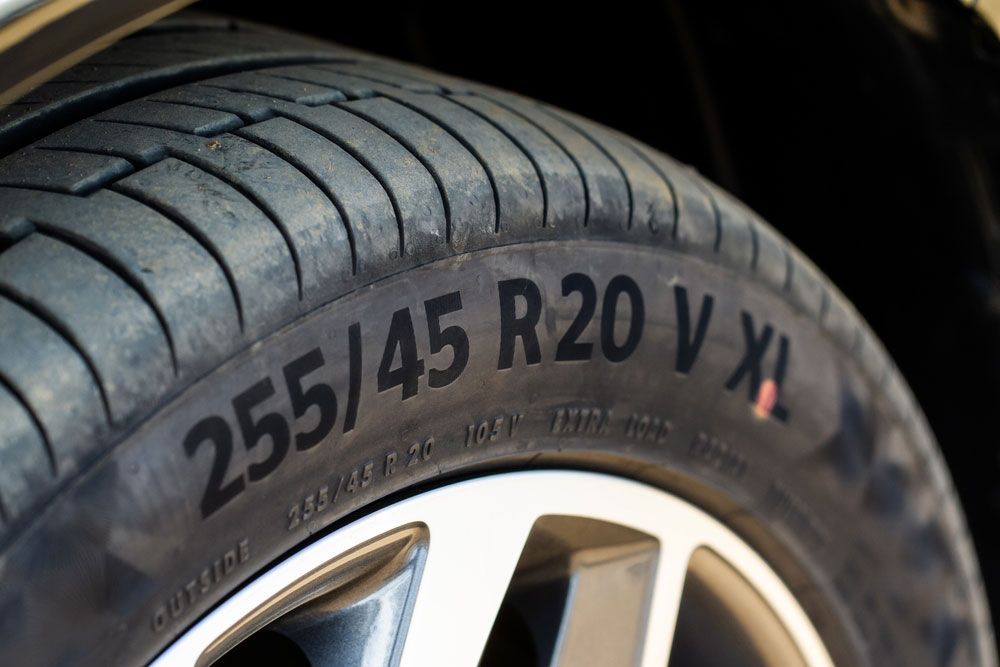
One important distinction: the pressure printed on the tyre sidewall is generally a maximum rated inflation pressure, not the recommended everyday pressure for your car.
If you're running different tyres, carrying substantial loads or towing regularly, ask your mechanic to confirm the appropriate pressures for your setup.
What Is Your TPMS Warning Light Telling You?
Many modern vehicles have a Tyre Pressure Monitoring System (TPMS), which alerts you when tyre pressure drops below the system's expected range.
So, how do tyre pressure sensors work?
Some vehicles use direct TPMS sensors that measure pressure inside individual tyres. Others use an indirect system that monitors wheel rotation through existing vehicle sensors to identify changes consistent with under-inflation.
Both systems can help identify a pressure problem, but neither tells you exactly why the pressure has changed.
If your TPMS warning light appears, check the tyres for visible damage and measure their cold pressures against the vehicle's recommendations. Don't rely on the dashboard warning as a substitute for a pressure gauge.
If the light stays on after correcting the pressures, the system may need a reset or relearning procedure, or there could be a continuing leak or sensor fault.
A warning that returns repeatedly deserves attention. Don't keep topping up a tyre without investigating why it's losing air.
Inner Or Outer Edge Wear From Alignment Issues
When one shoulder wears much faster than the rest of the tread, wheel alignment may be contributing to the problem. Alignment involves several angles, including camber, caster and toe.
Camber describes how far a wheel tilts inward or outward when viewed from the front. Excessive camber can concentrate wear along the inner or outer shoulder.
Toe describes whether the wheels point slightly inward or outward relative to the vehicle's direction of travel. Incorrect toe can scrub the tread as the tyre rolls.
Caster influences steering stability and self-centring. Although it isn't usually a direct cause of tyre wear, it matters when assessing the vehicle's overall steering geometry.
A vehicle with an alignment problem may pull to one side or have an off-centre steering wheel, but not always. Some alignment faults develop gradually without obvious steering symptoms.
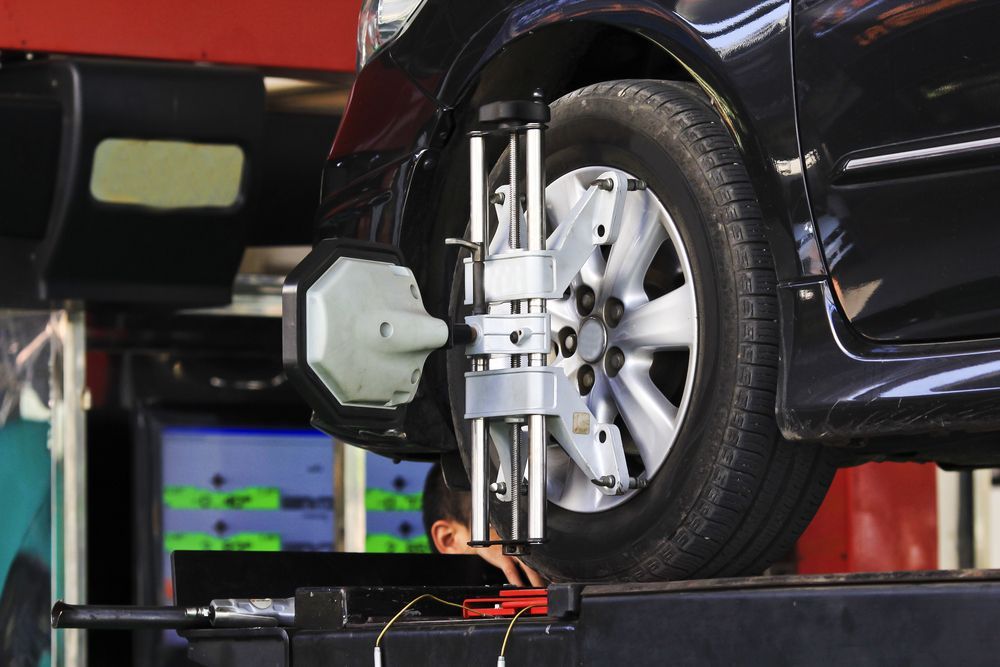
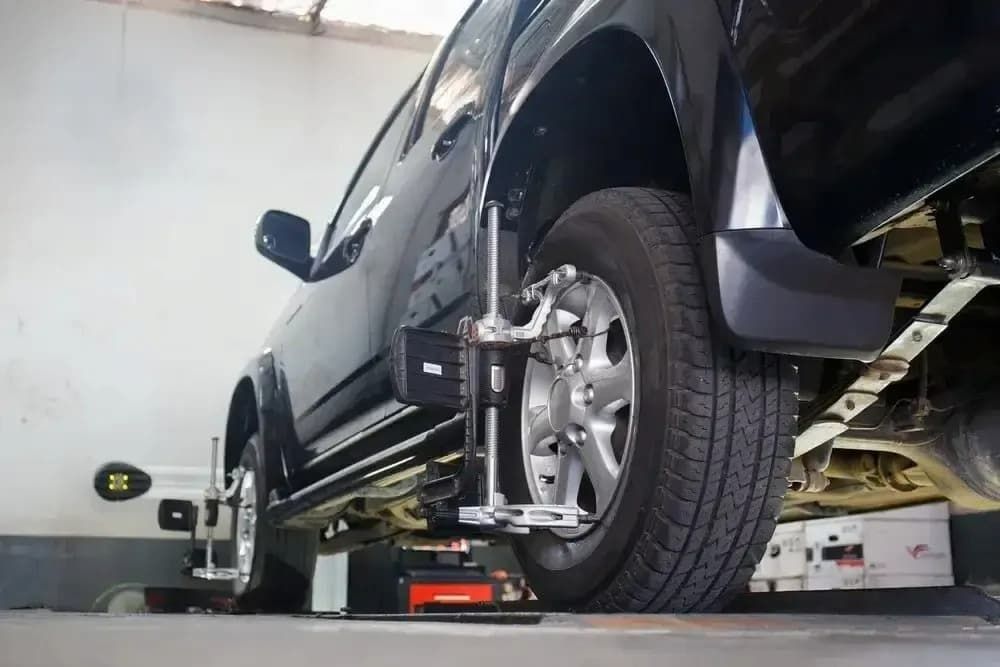
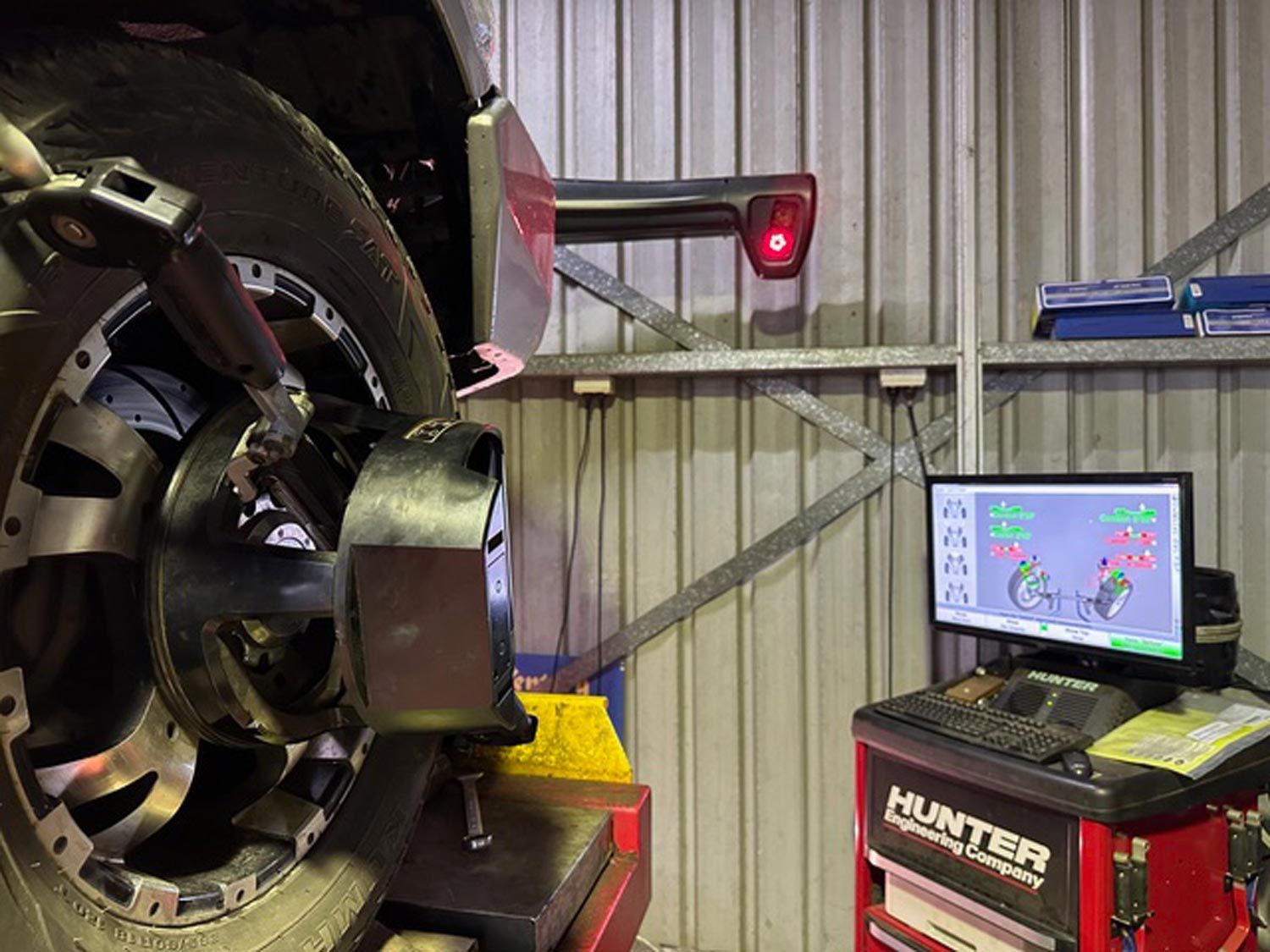
A professional wheel alignment check can help identify incorrect angles and determine whether adjustments or mechanical repairs are needed.
Cupping & Suspension Problems
Cupping, sometimes called scalloping, looks like alternating high and low patches across the tread. When we inspect a tyre on the hoist, this pattern can appear as a series of dips around the circumference rather than a smooth, continuous band of wear.
Worn shock absorbers or struts can contribute because the wheel may not remain consistently controlled against the road surface. Worn bushes, other suspension components or wheel imbalance can also play a part.
Drivers sometimes notice a humming or droning noise that becomes more obvious as road speed increases. If a tyre has developed cupping, replacing it without checking the suspension and wheel balance may leave the underlying problem unresolved.
Feathering And Steering Irregularities
Feathering happens when the edges of individual tread ribs wear unevenly. One edge feels relatively smooth, while the opposite edge develops a sharper, raised feel.
It's often associated with incorrect toe settings, where the tyres scrub slightly sideways instead of rolling cleanly along the road. Worn tie rod ends, steering joints or suspension bushes can also allow unwanted movement that affects wheel alignment.
Feathering may develop before the vehicle starts pulling noticeably to one side. You might first notice increased tyre noise or an unusual texture across the tread.
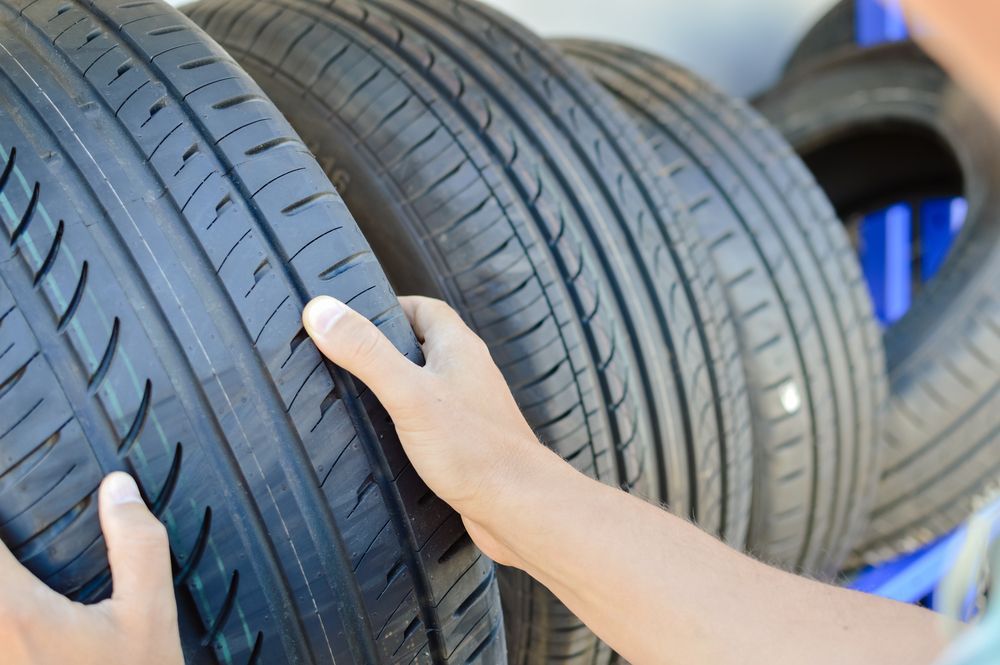
If you check the tread by hand, do so only while the vehicle is safely parked and avoid sharp objects or exposed tyre cords. A mechanic can confirm whether the pattern points to toe alignment, worn steering components or another cause.
Does Uneven Wear Always Mean You Need An Alignment?
No. An alignment isn't automatically the answer to every unevenly worn tyre.
If both shoulders have worn because the tyre has been running at low pressure, correcting the pressure may address the cause. Depending on tread condition and the vehicle's tyre configuration, a rotation might also help distribute future wear more evenly.
On the other hand, a tyre with severe inner-edge wear, feathering or a vehicle that consistently pulls to one side may need an alignment check.
And if the problem comes from worn shocks, tie rod ends or bushes, those components need attention before an alignment can provide a lasting result.
That's why replacing tyres alone doesn't always fix the problem. New tread won't prevent the same pattern returning if the cause remains.
Driving conditions also play a part. Rough roads, repeated cornering and heavy loads can influence wear, particularly when pressures aren't matched to the vehicle's use.
Regular pressure checks, tread inspections and tyre rotations help you spot changes before they become severe. Our guide explains how often tyres should be rotated and why the correct rotation pattern matters.
Remember that the legal minimum tread depth is 1.5mm. A tyre can also require replacement before reaching that limit if it has unsafe damage, exposed cords or severe irregular wear.
The sensible approach is to inspect the tyre and identify the cause before deciding whether it needs pressure correction, rotation, alignment, suspension work or replacement.
Getting Uneven Tyre Wear Checked In Grafton
If you've noticed uneven tyre wear, a vibration, unusual road noise or a persistent tyre pressure warning, it's worth getting the cause checked rather than guessing.
At Al's Mechanical & 4WD Grafton Repairs, we can inspect tread patterns, tyre pressures and the steering and suspension components that influence how your vehicle drives.
Sometimes the answer is straightforward. Other times, the wear points to a mechanical problem that needs attention before fitting another set of tyres. Whether you're due for car servicing in Grafton or want advice about your tyres in Grafton, our team can help you work out the next step.
Contact Al's Mechanical & 4WD Grafton Repairs on 02 6642 4335 to arrange an inspection.
Frequently Asked Questions